Learning Across
Minds and Machines
Empowering future thinkers to navigate between biology and technology.
Redefining Education
At Noetex, education becomes a medium for exploring the architectures of future knowledge — where minds and machines evolve together to expand human understanding.
Cognitive Architecture
Building the structures of understanding. We train minds to map complexity, connect insights across fields, and construct new conceptual systems for the next paradigm shift in technology.
Emerging Disciplines
Learning at the frontiers of mind and matter. Our programs weave together neuroscience, artificial intelligence, cognitive science, and social sciences — disciplines redefining how we understand cognition, society, and the universe.
Resonant Fields
Education at Noetex grows with the learner, the machine, and the world — preparing thinkers to lead the next transformation of knowledge and intelligence.
Featured Programs
Explore our cutting-edge programs designed to prepare you for the future of science and technology.
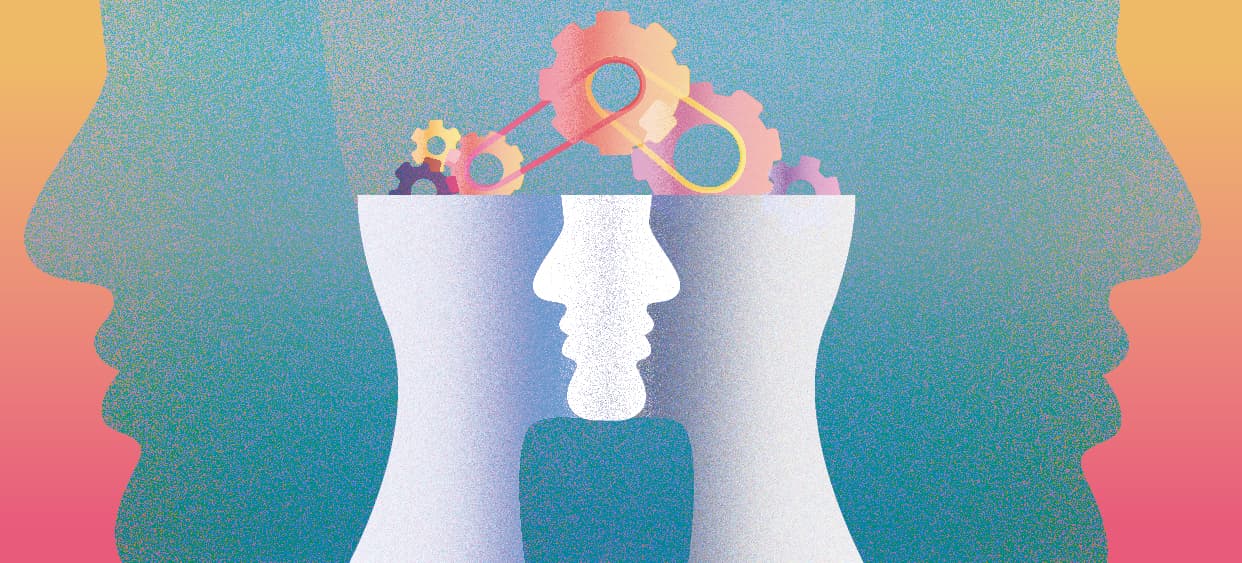
The Neuroscience and Computation of Decision-making
This course offers a hands-on foundation in decision-making research, combining core theories, computational models, and neuroscience methods with insights from AI for advanced interdisciplinary study.
Faculty from: Dartmouth College, University College London
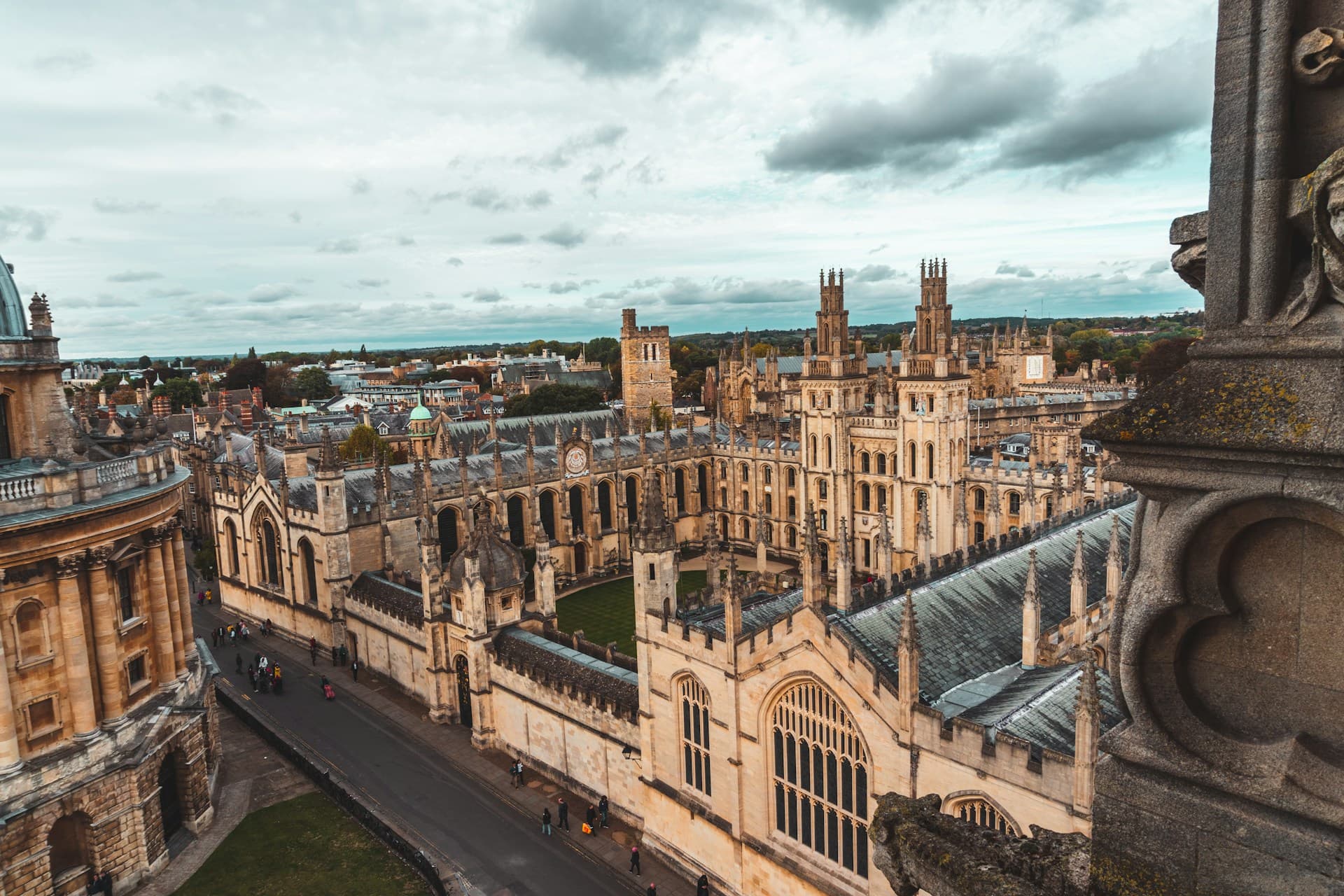
The Noetex Academy Winter Program: Exploring Life and Intelligence
Immersive course helping students master fundamental and research skills in neuroscience and artificial intelligence, with opportunities to exchange ideas with students and scholars from around the world.
Faculty from: University of Cambridge, University of Oxford
Fields We Explore
To understand reality, we must connect the sciences of mind, life, and society. Noetex integrates knowledge across disciplines to reveal the patterns that shape intelligence, behavior, and the world itself.
Neuroscience
Artificial Intelligence
Psychiatry
Cognitive Science
Life Science
Philosophy
Social Sciences
Linguistics
Psychology
Past Programs
Get inspired by what previous learners explored, built, and experienced across neuroscience, AI, and beyond.

Flexible Cognitive Control: How We Adapt Our Thinking and Behavior to Goals
Explore the brain's 'scheduling' mechanism that enables flexible goal-directed behavior through hands-on cognitive neuroscience research.
Faculty from: University of Cambridge

Cognitive Algorithms and Neural Mechanisms of Economic Games
Investigate how biological and machine agents make optimal decisions in strategic interactions through game theory and neuroscience.
Faculty from: University College London
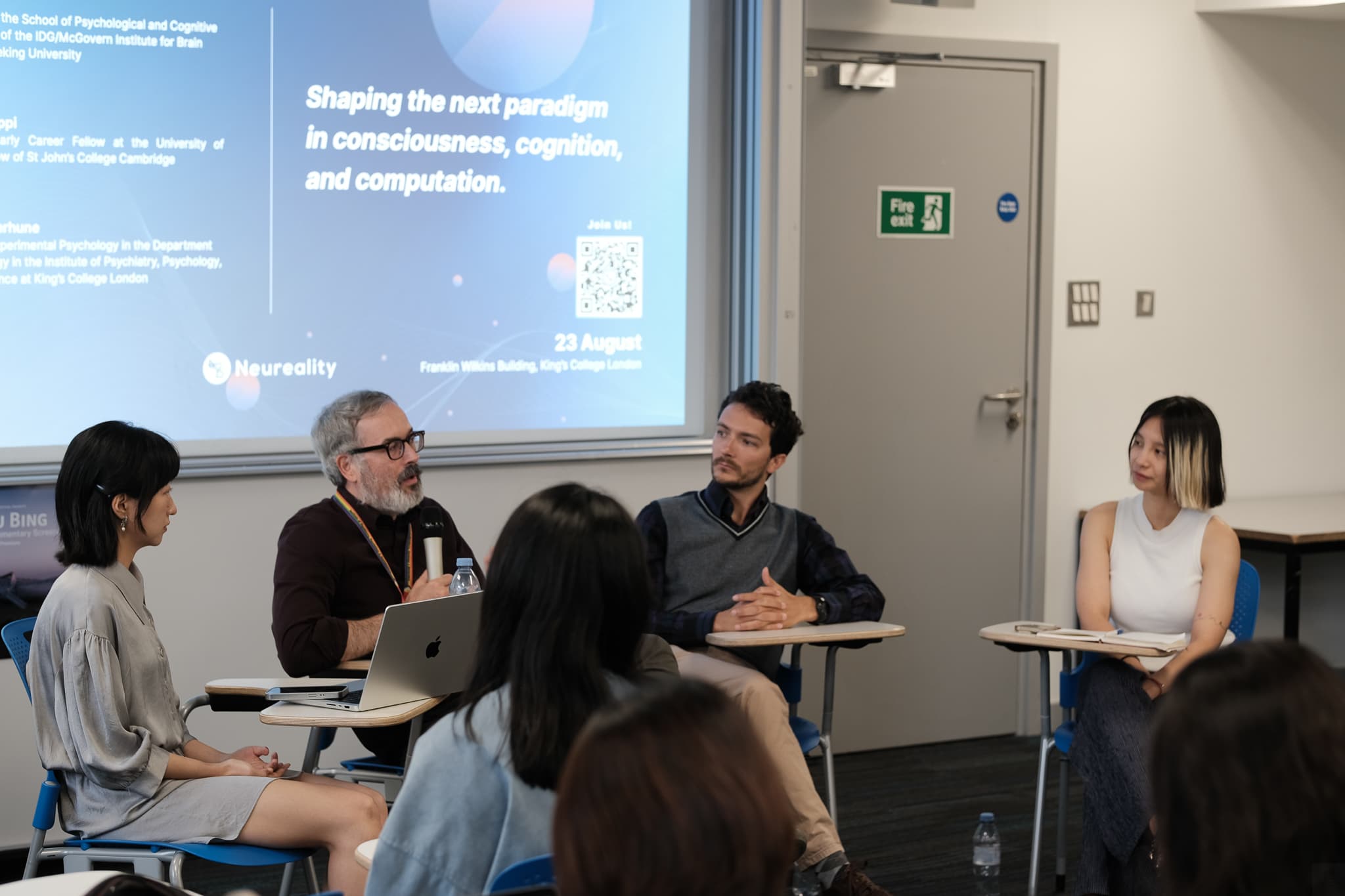
London Brain and Intelligence Summit
Join leading thinkers exploring the frontiers of consciousness, cognition, and computation through keynote talks and focused discussions.
Speakers from: University of Cambridge, University of Oxford, Peking University, King's College London

Understanding Intelligent Agents
This workshop introduces cutting-edge reasoning techniques in AI—covering Chain of Thought and the ReAct framework—to help participants develop step-by-step problem-solving skills and a deeper understanding of agentic intelligence.

Future Tools, Real Results: AI Filmmaking & Agentic Browsing
From creating your first AI-generated short film to exploring agentic browsing, these two hands-on workshops will guide you to bring your ideas to life and harness the power of intelligent tools for creativity and productivity.
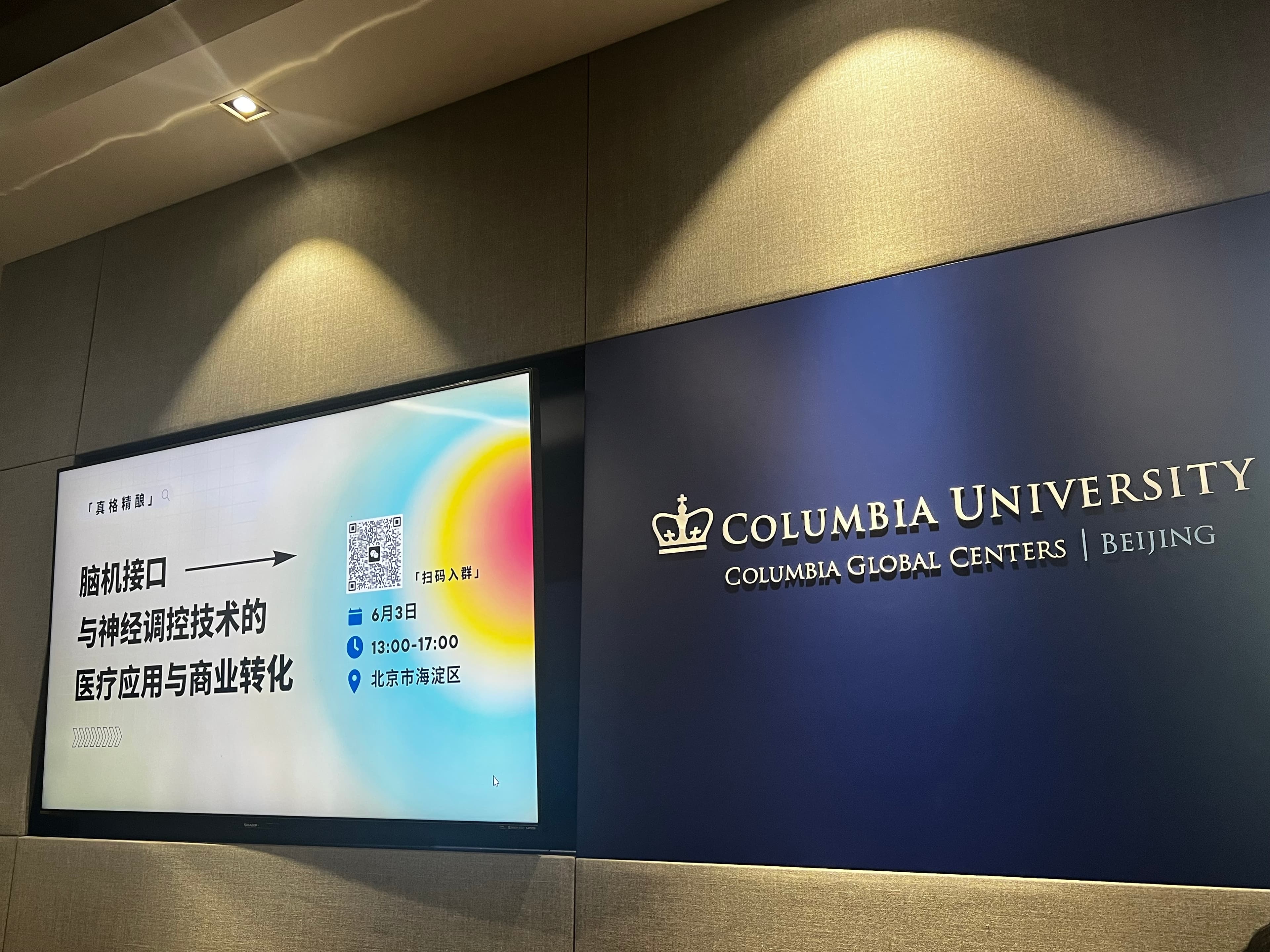
Brain-Computer Interface and Neuromodulation
This symposium explores advances in neuromodulation and brain–computer interface technologies, highlighting their emerging applications in neurological and psychiatric disorders.
Meet the Minds Thinking with Us
Learn from world-renowned experts who are pushing the boundaries of human knowledge.

Dr. Alireza Soltani
InstructorAssociate Professor and Director of Graduate Studies
Leading researcher in computational and cognitive neuroscience, focusing on adaptive decision-making and learning by integrating computational modeling, psychophysics, and human behavior studies to uncover neural mechanisms and bridge cognitive processes with their biophysical foundations.
Specialties

Dr. Andrea Luppi
SpeakerWellcome Early Career Fellow and Fellow of St John's College
A philosopher-turned-neuroscientist whose research combines information theory, network science, and computational modelling to uncover how brain structure and dynamics give rise to consciousness and intelligence across species, states, and systems.
Specialties
Exclusive Dialogues
Original interviews you won't find elsewhere — featuring pioneering scholars in neuroscience, AI, and the human sciences.
How Does the Brain Generate Thought?
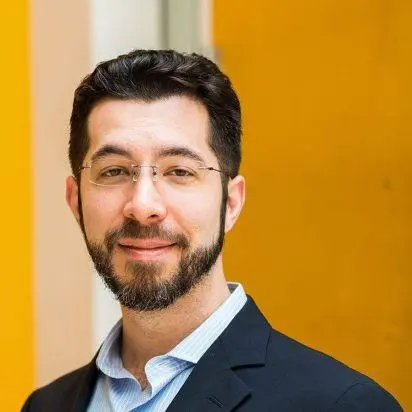
Ed Boyden
Y. Eva Tan Professor in Neurotechnology at MIT
How can new technologies help us better understand the brain?
How Does the Brain Understand Language?
David Poeppel
Professor of Psychology and Neural Science at NYU
Building models for speech processing.
How Do We Understand Attention?
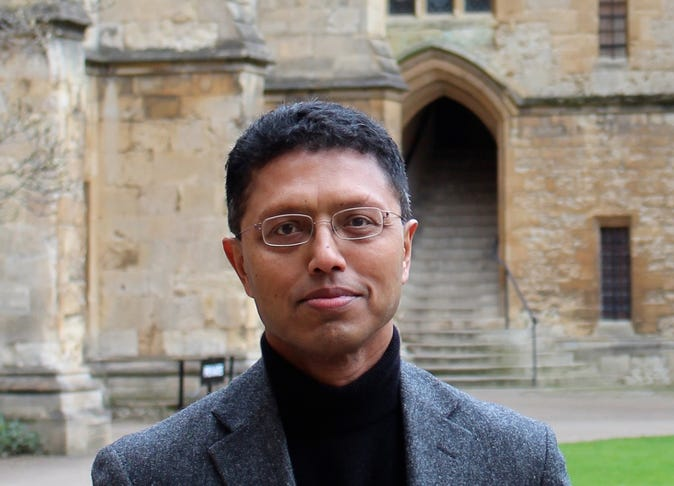
Masud Husain
Professor of Neurology and Cognitive Neuroscience at Oxford
How does attention define our cognitive functions?
Is Consciousness a Controlled Hallucination?
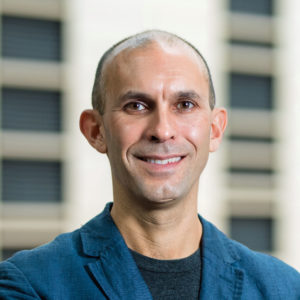
Anil Seth
Professor of Cognitive and Computational Neuroscience at the University of Sussex
Is it possible for us to fully understand consciousness?
Why Choose Noetex Academy
95% Success Rate
Our graduates go on to work at leading tech companies, research institutions, and start their own innovative ventures.
What Our Students Say
"Noetex Academy transformed my understanding of the brain-AI connection. The interdisciplinary approach is revolutionary."
"The faculty's expertise and the cutting-edge curriculum prepared me perfectly for my career in AI research."
"The lab facilities and research opportunities here are unmatched. I've published 3 papers since graduating."
Ready to Shape the Future?
Join thousands of students who are already building the next generation of human-AI collaboration and cognitive enhancement.
Noetex×Neu-Reality
Born from Neu-Reality, a nonprofit movement reimagining science communication, Noetex extends that vision into learning.
1M+ Active Minds
Inside Noetex Academy, you enter a living neural network of over one million minds — readers, creators, and thinkers shaping new dialogues between science, philosophy, and technology. Here, ideas flow freely, collaborations emerge organically, and imagination meets rigor. As part of the community, you can become a Neu-Reality contributor — joining 400+ volunteers from leading universities and institutions to build projects that bridge research, storytelling, and innovation. Together, we turn understanding into creation, and knowledge into reality.
Our Trusted Collaborators